Public Safety Suicide Prevention That Works

Updated: Aug 12
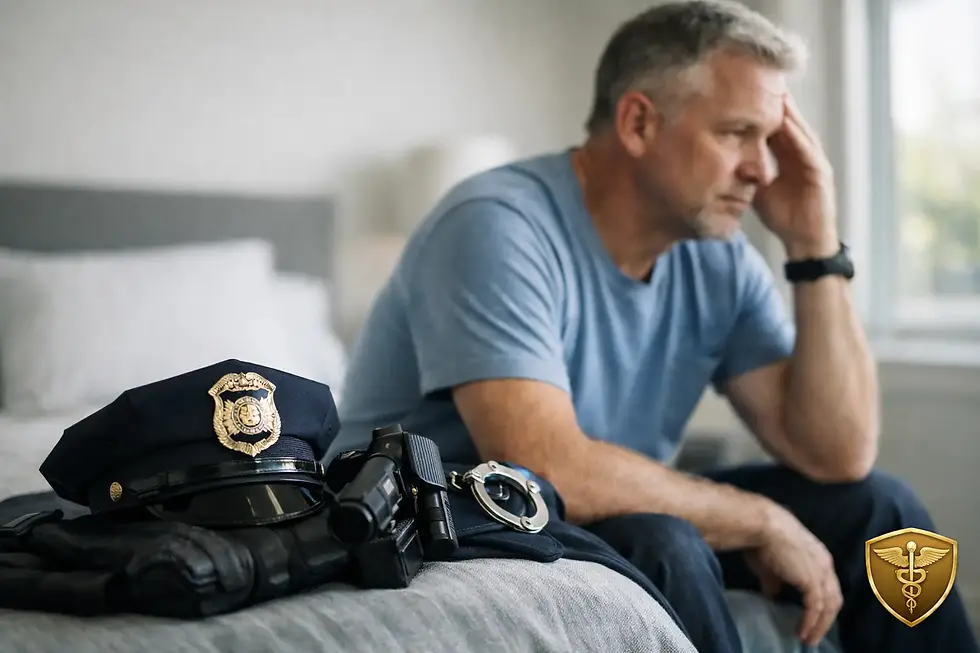
A dispatcher finishes a difficult shift, drives home in silence, and tells everyone they are just tired. A firefighter starts sleeping less, drinking more, and pulling away from the crew. An officer who is usually steady becomes short-tempered, isolated, or unusually reckless. These changes do not always mean someone is suicidal, but they are reasons to pay attention. Public safety suicide prevention starts long before someone says they are in crisis.
For people in public safety, the barriers are real. The job can reward toughness, privacy, and pushing through. Many professionals worry that speaking up will affect their reputation, assignment, career, or ability to support their family. The result is that people often carry pain quietly until their usual ways of coping stop working.
Why public safety suicide prevention requires a different approach
First responders are not immune to depression, trauma, relationship strain, substance misuse, or suicidal thoughts because they are trained to handle emergencies. In some ways, repeated exposure to trauma, loss, violence, and human suffering can make it harder to recognize when stress has become something more serious.
The culture matters, too. Public safety professionals may trust the people beside them with their lives while still struggling to tell them they are not okay. They may fear being judged as weak, unreliable, or unsafe. A generic message to “reach out if you need help” can fall flat if the person does not believe support will be confidential, practical, and informed by the realities of the work.
That does not mean departments, families, or peers should avoid the conversation. It means the conversation has to be direct, respectful, and backed by real options. Prevention works best when it is treated as ongoing wellness work, not a response reserved for the worst day.
Notice changes without making assumptions
Suicidal thoughts do not have one look. Someone can appear capable at work, make the shift, answer calls, and still feel completely overwhelmed inside. Looking for one dramatic warning sign can cause people to miss the quieter changes that often show up first.
Pay attention when a person is increasingly withdrawn, angry, exhausted, hopeless, or detached. Other concerns can include major changes in sleep, appetite, drinking or drug use, financial behavior, or attendance. Statements such as “My family would be better off without me,” “I can’t do this anymore,” or “Nothing matters” need to be taken seriously, even if they are said casually or framed as a joke.
Risk can increase after a critical incident, disciplinary action, a divorce, a death, retirement, injury, legal trouble, or a sudden change in assignment. But timing alone does not tell the whole story. Some people struggle most after the immediate crisis has passed and everyone else assumes they are fine.
The goal is not to diagnose a coworker, spouse, or friend. The goal is to notice when someone seems unlike themselves and make room for an honest check-in.
Ask directly, then stay present
Many people worry that asking about suicide will put the idea in someone’s head. It will not. Direct, calm questions can reduce isolation and give someone permission to be honest.
Try something simple: “You haven’t seemed like yourself lately, and I’m concerned about you. Are you thinking about hurting yourself?” If the answer is yes, or if they are unsure, do not argue, lecture, or rush to solve every problem. Stay with them when possible, listen without judgment, and focus on immediate safety.
It can help to ask whether they have a plan, access to a means, and a sense of when they might act. These are difficult questions, but they help determine whether the danger is immediate. If someone has an imminent plan, has access to a lethal means, or cannot commit to staying safe, do not leave them alone. Call 911 or take them to the nearest emergency department. In the United States, call or text 988 for the Suicide & Crisis Lifeline. If there is concern about immediate danger, treat it like the emergency it is.
If there is not an immediate threat, the conversation still matters. Help the person connect with someone they trust and make a specific next step for professional support. “You should talk to someone” is less useful than sitting with them while they make a call, helping them identify a confidential provider, or checking in at an agreed time the next day.
Build a safety plan before pressure peaks
A safety plan is not a vague promise to do better. It is a practical, written plan for getting through a high-risk period. For public safety professionals, it should be private enough to feel usable and concrete enough to work when thinking is narrowed by stress, panic, or hopelessness.
A strong plan identifies personal warning signs, such as insomnia after a difficult call, an argument at home, increased drinking, or the urge to isolate. It includes a few coping actions that are realistic for that person, along with people they can contact and places where they are less likely to be alone.
It should also address access to lethal means. This can be a sensitive subject in public safety, particularly where firearms are part of the job and identity. Still, creating time and distance during a crisis saves lives. Temporary, voluntary off-site storage or having a trusted person secure firearms, medications, or other dangerous items can be a protective step. The right plan depends on the individual, their role, and the level of risk, but avoiding the subject does not make the risk smaller.
Professional care belongs in the plan as well. Therapy can help someone understand what is driving the crisis, process trauma, improve sleep, reduce avoidance, and build skills that hold up outside the office. Medication evaluation, peer support, couples counseling, or substance-use treatment may also be appropriate. There is no one-size-fits-all path, but there should be a path that is clear.
What agencies and leaders can do
Individual resilience is not a substitute for organizational responsibility. Agencies cannot eliminate every stressor in public safety work, but they can reduce the silence that makes people feel trapped.
Leaders set the tone when they talk about mental health plainly, use support resources themselves when appropriate, and respond to concerns without ridicule. Peer support programs can be valuable when peers are trained to recognize risk, keep appropriate boundaries, and know when to involve clinical or emergency help. Peer support should not be expected to carry a crisis alone.
Confidentiality also deserves more than a passing mention. Employees need to understand what is private, what must be reported for safety reasons, and what happens after they ask for help. Unclear policies feed fear. Clear, trauma-informed procedures make early help-seeking more likely.
Wellness training is most useful when it goes beyond a yearly presentation. Short, repeated conversations about sleep, alcohol use, relationship strain, trauma exposure, and suicide risk build familiarity. The aim is not to turn supervisors into therapists. It is to help people recognize concern, respond well, and connect others to the right level of care.
Confidential therapy can be a practical next step
Therapy is not about making a first responder relive every call or explain the culture from the beginning. Good trauma-informed care meets the person where they are, respects the demands of their role, and focuses on tools they can use in real life.
At Gold Badge Health & Wellness, clients can work through trauma, anxiety, depression, burnout, and major life stressors in a confidential setting. Approaches such as CBT, DBT-informed skills, and Accelerated Resolution Therapy can help clients reduce symptoms while building a clearer sense of control and direction.
For a spouse, partner, coworker, or supervisor, the most helpful move may be a simple one: take the change seriously, ask the hard question, and stay connected long enough to help the person take the next step. People in public safety spend their careers responding when others are in danger. They deserve the same steady support when the danger is closer to home.


Comments